 Melbourne, Victoria (Australia)

Strategies to Engage, Convert and Retain Customers
 28 September 2026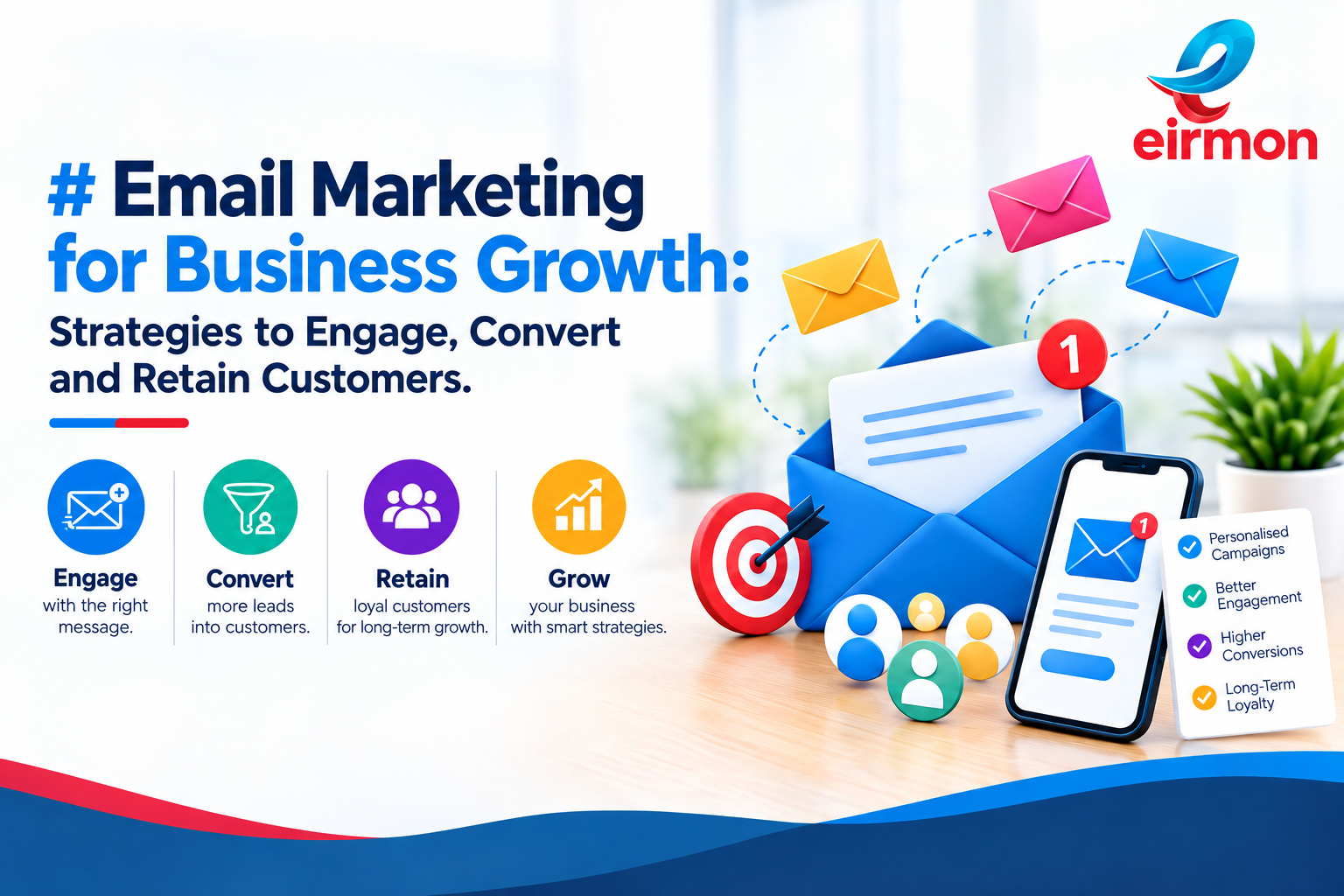
Email marketing remains one of the most effective digital marketing channels for businesses that want to build direct, lasting relationships with their audiences. Unlike platforms where businesses are heavily dependent on changing algorithms, increasing advertising costs or unpredictable reach, email gives brands a direct way to communicate with people who have already shown interest in their products, services or content.
A well-planned Email Marketing strategy can help businesses build stronger customer relationships and create more growth opportunities.
Consider a Brisbane-based online retailer that collects customer emails through its website. Instead of sending the same promotional email to everyone, the business could send new-product recommendations to recent buyers, exclusive offers to repeat customers and helpful product guides to subscribers who have only browsed. A customer who receives a relevant email at the right time is far more likely to engage than someone receiving a generic promotion. This simple shift—from sending emails to building personalized customer journeys—can turn an email list into a valuable business asset.
However, effective email marketing involves much more than sending promotional messages. Businesses need a clear strategy that combines audience segmentation, valuable content, personalisation, automation and performance measurement. When these elements work together, email can support customer engagement, lead nurturing, conversions and long-term customer retention.
For businesses operating in competitive markets such as Brisbane and Perth, a well-planned email marketing strategy can create stronger local connections while keeping customers consistently informed. From personalized offers and educational content to automated follow-ups and loyalty campaigns, businesses can use email to stay relevant, strengthen relationships and create more opportunities for sustainable growth.
Why Email Marketing Matters for Business Growth
A successful marketing strategy should not focus only on attracting new customers. Businesses also need to nurture prospects, encourage repeat purchases and maintain relationships with existing customers.
Email marketing can support each stage of this journey.
A potential customer may initially subscribe to receive useful information, a guide, an offer or an update. Over time, relevant emails can educate that subscriber, demonstrate the value of the business and encourage them to take the next step.
For existing customers, email can be used to share new products, helpful resources, personalised recommendations, company updates and loyalty offers.
This makes email marketing useful across the customer lifecycle—from initial awareness through to conversion and retention.
Build a Strategy Around Your Audience
One of the biggest mistakes businesses make is treating every subscriber the same.
Different customers have different needs, interests and positions in the buying journey. A new subscriber should not necessarily receive the same message as a long-term customer.
Audience segmentation allows businesses to organise subscribers according to relevant characteristics, such as:
- Previous purchases
- Interests and preferences
- Location
- Engagement levels
- Website activity
- Customer lifecycle stage
- Product or service interests
For example, a business serving customers across Brisbane may create campaigns around specific customer segments rather than sending one general message to its entire database.
The same principle applies to businesses targeting Perth customers. Understanding local audiences can help businesses create more relevant communication while maintaining a consistent brand voice.
Create Content That Provides Value
People are unlikely to remain engaged with an email list if every message feels like a sales pitch.
Effective email marketing should provide a balance of promotional and informative content.
Depending on the business, useful email content could include:
- Educational tips
- Industry insights
- Product information
- Service updates
- Special offers
- Case studies
- Customer stories
- Helpful guides
- Event announcements
- New blog content
The goal is to give subscribers a reason to open future emails.
For example, a professional services company could use email to explain common challenges customers face and provide practical solutions. An eCommerce business might combine product recommendations with useful buying advice.
When content consistently addresses customer needs, email becomes more than a promotional channel—it becomes an ongoing source of value.
Personalisation Can Improve Customer Engagement
Modern customers expect communication to be relevant to them.
Personalisation can begin with simple elements such as using a subscriber's name, but effective personalisation can go much further.
Businesses can use customer data and behaviour to deliver more relevant messages based on previous interactions.
For example, an online store could recommend products related to a customer's previous purchase. A service business could send educational content based on the services a subscriber has expressed interest in.
Personalisation should always have a clear purpose. Collecting large amounts of customer information without using it meaningfully can create unnecessary complexity.
The objective should be simple: send the right message to the right audience at the right stage of the customer journey.
Use Email Automation to Nurture Leads
Email automation can help businesses maintain consistent communication without requiring every message to be sent manually.
Automated workflows can be created for different customer actions and lifecycle stages.
Examples include:
Welcome emails: Introduce new subscribers to the brand and explain what they can expect.
Lead nurturing sequences: Provide useful information to prospects who are not yet ready to purchase.
Abandoned cart emails: Remind potential customers about products they have left behind.
Post-purchase emails: Provide product information, support and relevant recommendations.
Re-engagement campaigns: Attempt to reconnect with subscribers who have stopped interacting with emails.
Automation allows businesses to create structured customer journeys while reducing repetitive marketing tasks.
Email Marketing for Brisbane Businesses
Brisbane businesses operate across a diverse commercial environment, from professional services and technology companies to retail, hospitality, property and eCommerce.
For businesses targeting Brisbane customers, email campaigns can be tailored around local customer needs, seasonal opportunities, events and purchasing behaviour.
For example, a local service provider could use email to nurture enquiries and educate potential customers before they make a purchasing decision. A retail business could use segmented campaigns to promote relevant products and seasonal offers.
The important consideration is not simply adding the word "Brisbane" to an email. Local relevance should come from understanding the audience, their needs and the market in which the business operates.
A consistent local strategy can help businesses maintain stronger communication with customers while supporting broader digital marketing efforts.
Email Marketing for Perth Businesses
Perth presents another valuable market for businesses looking to develop stronger customer relationships through digital communication.
Businesses targeting Perth can use email marketing to maintain regular contact with customers, promote services, distribute educational content and support repeat business.
Local targeting can also help businesses create campaigns that are more relevant to particular customer groups.
For example, a business with customers across different areas of Perth could use location information alongside customer preferences to deliver more relevant communications.
However, successful email marketing should not rely solely on geographic targeting. Location should work alongside behavioural and customer data to create a more complete understanding of the audience.
Also Read: Email Marketing strategy for success in the digital
Optimise Emails for Conversions
Engagement is important, but businesses ultimately need email marketing to contribute to meaningful business outcomes.
Every campaign should have a clear objective.
Depending on the campaign, that objective could be:
- Generate enquiries
- Increase website visits
- Promote a product
- Encourage bookings
- Generate sales
- Increase repeat purchases
- Download a resource
- Register for an event
The call to action should make the desired next step obvious.
Instead of giving subscribers several competing actions, businesses should focus each email around one primary objective.
A clear headline, concise copy, relevant visuals and a prominent call to action can make it easier for readers to understand what they should do next.
The destination also matters. Sending users to a slow, confusing or irrelevant landing page can reduce the effectiveness of an otherwise well-designed campaign.
Measure Performance and Improve Continuously
Email marketing should be treated as an ongoing process rather than a one-time campaign.
Businesses can monitor metrics such as:
- Open rates
- Click-through rates
- Conversion rates
- Unsubscribe rates
- Bounce rates
- Revenue generated
- Website traffic
- Engagement over time
These metrics can help identify what is working and where improvements may be required.
For example, strong open rates but low click-through rates could indicate that the subject line is attracting attention but the email content or offer needs improvement.
Similarly, high clicks but low conversions may indicate an issue with the landing page, offer or overall customer journey.
Testing different subject lines, content formats, calls to action and sending schedules can help businesses gradually improve campaign performance.
Email Marketing and the Wider Digital Strategy
Email marketing is most effective when it works alongside other digital channels.
A customer might discover a business through Google, visit its website, follow its social media account and eventually subscribe to its email list. Each channel can then support a different stage of the customer journey.
SEO can help attract organic visitors, PPC can generate targeted traffic, social media can build awareness, and email can nurture relationships with people who have already shown interest.
For this reason, businesses should avoid treating email marketing as an isolated activity.
A coordinated strategy can create a more consistent experience across different customer touchpoints.
Build Long-Term Customer Relationships Through Email
The real value of email marketing extends beyond individual campaigns
Businesses that consistently provide useful information, relevant offers and timely communication can create stronger relationships with their audiences.
Retention is particularly important because maintaining relationships with existing customers can support repeat business and long-term brand engagement.
However, successful retention requires relevance. Businesses should avoid overwhelming subscribers with excessive promotional emails. Instead, they should focus on delivering communication that customers actually find useful.
A thoughtful balance of education, information, personalisation and promotion can help maintain engagement over time.
Final Thoughts
Email marketing for business growth is not simply about sending more emails. It is about developing a structured communication strategy that understands customer needs and delivers relevant content throughout the customer journey.
For businesses in Brisbane and Perth, email marketing can support local customer engagement while connecting with broader digital marketing activities. From segmentation and personalisation to automation, conversion optimisation and performance tracking, every element contributes to a stronger strategy.
Businesses that approach email as a long-term relationship-building channel can use it to engage prospects, support conversions and encourage customer retention.
Looking to strengthen your digital marketing strategy? Eirmon Solutions can help your business develop professional digital strategies designed around your audience, goals and growth opportunities. Contact Eirmon Solutions to explore how email marketing can become part of a more effective digital marketing strategy.
Frequently Asked Questions (FAQs)
Author Details