 Melbourne, Victoria (Australia)

How Website Design Melbourne Creates Better Digital Experiences
 23 September 2026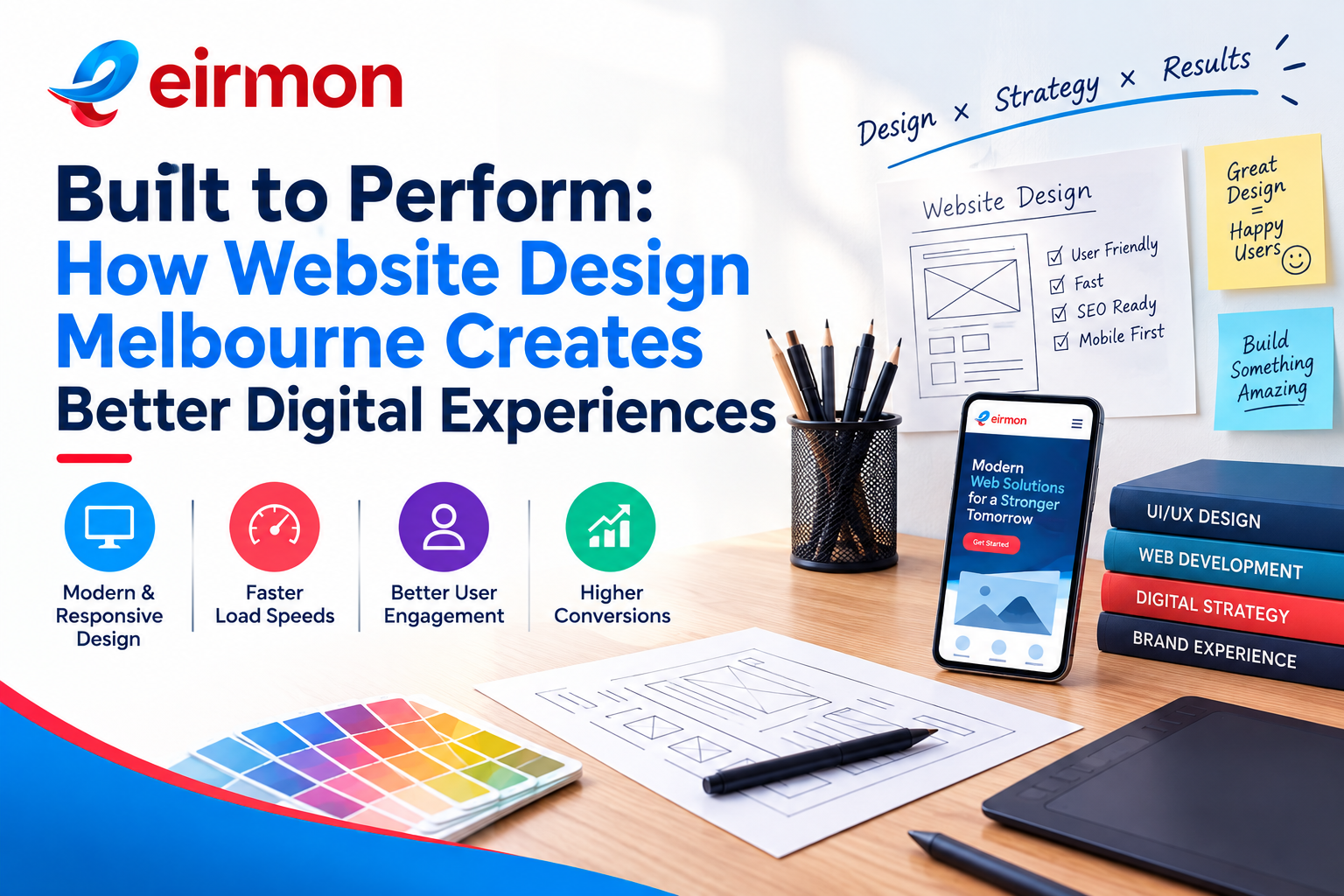
A business website is no longer simply an online brochure. It is often the first point of interaction between a brand and a potential customer, shaping perceptions before a conversation ever takes place. Visitors expect websites to be fast, easy to navigate, mobile-friendly and informative while also providing a clear path towards taking action.
This is why modern website design Melbourne focuses on much more than visual appearance. Effective website design combines user experience, branding, content, performance, SEO and conversion strategy to create a digital experience that works for both customers and businesses.
What Makes a Website More Than Just a Digital Brochure?
A modern website can serve multiple purposes at once. It can introduce a business, showcase its services, answer customer questions, build credibility, generate enquiries and support marketing campaigns.
A well-planned website should help visitors quickly understand:
- What the business offers
- Who its services are for
- Why the offering is valuable
- How the business can be contacted
- What action they can take next
When design and strategy work together, a website becomes an active business asset rather than simply a place to display information.
Why User Experience Matters
User experience (UX) is central to effective website design. Visitors should be able to move through a website naturally without having to search extensively for essential information.
Clear menus, logical page structures, readable typography, consistent layouts and intuitive interactions all contribute to a smoother experience.
For example, a service-based business might create a journey from the homepage to relevant services, detailed service information, supporting proof and finally a contact or enquiry page.
Good UX is ultimately about reducing confusion and helping visitors find the information they need with minimal effort.
How Lead-Oriented Designs Are Created
A lead-oriented website is designed to guide relevant visitors towards meaningful actions such as making an inquiry, requesting a quote or booking a consultation.
The process starts with understanding the target audience and their needs. Designers can then develop a clear value proposition, organise content around the customer journey and introduce relevant calls to action.
Simple enquiry forms, clear contact information and strategically placed CTAs can reduce friction and make it easier for interested visitors to take the next step.
The objective is not to pressure users into converting, but to create a clear and convenient path when they are ready to engage.
Designing Websites for Better First Impressions
First impressions matter in digital environments. Before reading every detail, visitors notice the overall visual structure, colours, typography, imagery and branding.
Professional design should reflect the personality and positioning of the business while maintaining clarity and usability. Visual hierarchy can also direct attention towards important information, such as key services, benefits or calls to action.
A strong first impression should therefore combine creativity with purpose. The website needs to look professional while immediately communicating what the business represents.
Mobile-First Design for Modern Customers
People access websites across smartphones, tablets and desktop computers. A website that works well on one device but creates difficulties on another can negatively affect the overall experience.
Responsive design allows layouts, images, menus, buttons and forms to adapt to different screen sizes. Mobile users should be able to read content, navigate pages and contact a business without unnecessary zooming or scrolling.
For businesses investing in website design Melbourne, mobile usability should be considered from the beginning rather than treated as a final adjustment.
Website Speed and Performance
Website performance can directly influence how visitors experience a business online. Slow-loading pages can interrupt browsing and make it harder for users to reach important information.
Performance-focused design considers factors such as image sizes, scripts, code efficiency, hosting and page structure. Compressing images, reducing unnecessary elements and using efficient development practices can contribute to faster loading.
The goal is simple: provide visitors with a smooth experience that allows them to access useful information without unnecessary delays.
Building Trust Through Website Design
Before making an inquiry, customers often want reassurance that they are dealing with a credible business.
Website design can support trust by presenting testimonials, reviews, case studies, portfolio examples, certifications, business information and clear contact details.
Trust elements should be positioned naturally throughout the customer journey. For example, customer testimonials can appear near service information or calls to action, helping visitors evaluate the business before making contact.
A professional design also communicates attention to detail, consistency and credibility.
SEO-Friendly Website Design
A website needs to be discoverable as well as easy to use. SEO should therefore be considered during the planning and development stages.
A search-friendly website can include a logical page structure, descriptive headings, relevant content, internal links, mobile responsiveness and strong technical foundations.
Businesses can also create dedicated pages for important services rather than placing all information on one general page. This provides visitors with more focused information while creating a clearer structure for search engines.
When UX and SEO are considered together, businesses can create websites that are useful for customers and easier to discover through search.
Content That Helps Visitors Make Decisions
Even the best-designed website cannot perform effectively if its content does not answer customer questions.
Website content should explain services clearly, communicate benefits and address common concerns. Instead of focusing only on what a business does, content should explain how its products or services can help customers.
Useful content can include:
- Clear service descriptions
- Benefits and key features
- Customer-focused headlines
- FAQs
- Case studies
- Supporting resources
- Strong but natural calls to action
Content should also be structured for easy scanning, using headings, short paragraphs and relevant visual elements.
Creating Clear Conversion Paths
A visitor should know what to do next when they find a service or product that interests them.
A clear conversion path can follow a simple journey:
Discover → Explore → Build Trust → Take Action
For example, a visitor may discover a service through search, explore its benefits, view testimonials or case studies and then request a consultation.
Calls to action should reflect the visitor's intent. Options such as “Request a Quote,” “Book a Consultation” or “Talk to Our Team” can communicate the next step more clearly than generic buttons.
Using Analytics to Improve Website Performance
Website design should continue evolving after launch. Analytics can provide insights into how visitors interact with pages and where improvements may be needed.
Businesses can monitor factors such as page engagement, traffic sources, CTA interactions, form submissions and conversion behaviour.
If a page attracts significant traffic but generates few enquiries, for example, its messaging, trust elements, layout or CTA may need refinement.
This creates an ongoing process of:
Design → Measure → Analyse → Optimise
Data can therefore help businesses make informed improvements instead of relying entirely on assumptions.
Also Read: How Website Redesign Helps Melbourne Businesses Rank Higher on Google
What Makes Website Design Melbourne Effective?
Effective website design Melbourne brings multiple elements together rather than treating them as separate tasks. UX helps visitors navigate the website, branding creates consistency, content communicates value, SEO supports discoverability, performance improves usability and lead-oriented design creates opportunities for meaningful action.
The strongest websites are built around both business objectives and customer expectations.
They are designed to answer questions, establish trust and make important actions simple.
Final Thoughts
A successful website is not defined by appearance alone. It should provide a clear, useful and engaging experience while supporting the broader goals of the business.
From mobile responsiveness and fast performance to SEO, trust-building content and lead-oriented design, every element has a role to play. When these components work together, a website can become more than an online presence—it can become a valuable platform for attracting visitors, building relationships and generating business opportunities.
Ready to Build a Website That Works for Your Business?
Don’t settle for a website that simply looks good. Build a powerful digital experience designed to attract the right audience, build trust and turn visitors into valuable enquiries. Eirmon Solutions combines strategic website design, UX, SEO, performance and conversion-focused solutions to create websites built around your business goals.
Ready to create a website that delivers more? Contact Eirmon Solutions today and take the next step towards a stronger online presence.
Frequently Asked Questions (FAQs)
Author Details